What Do Non-Christian Sources Say About Jesus?
Josephus and Tacitus offer the clearest non-Christian references to Jesus. Pliny, Suetonius, Mara bar Serapion, Lucian, Celsus and rabbinic traditions primarily attest the movement or later hostile memories and must not all be counted as equal witnesses.
6 sections6 citations1 figure
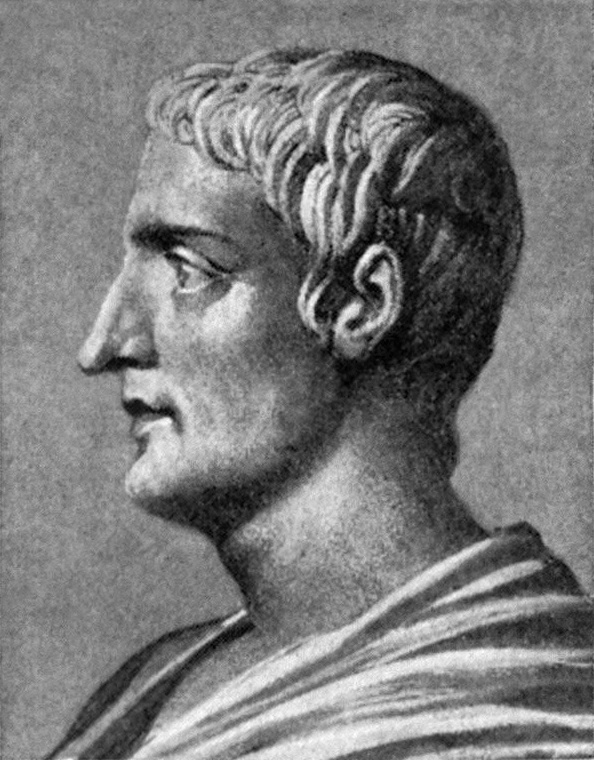
The short answer: Josephus and Tacitus provide the clearest non-Christian references. Josephus identifies James through "Jesus who was called Christ" and preserves a second, textually altered notice. Tacitus says Christus was executed by Pontius Pilate during Tiberius's reign. Pliny securely attests Christian worship by the early second century. The remaining sources are later, ambiguous or evidence for Christian belief rather than independent knowledge of Jesus.
The sources become misleading when they are presented as a flat list of witnesses. They answer different questions.
Which sources are actually useful?
| Source | Date | What it securely supports | Evidential weight |
|---|---|---|---|
| Josephus, Antiquities 20 | 93/94 CE | James was identified as the brother of Jesus called Christ | Strongest Jewish notice; brief |
| Josephus, Antiquities 18 | 93/94 CE | Probably a Josephan notice altered by Christians | Useful only after textual criticism |
| Tacitus, Annals 15.44 | about 115–120 | Execution under Pilate; movement reached Rome | Strong Roman corroboration, but late |
| Pliny, Letters 10.96 | about 111–113 | Established worship of Christ in Bithynia | Strong for the movement, weak for biography |
| Suetonius | about 120 | Disturbance involving “Chrestus”; punishment of Christians | Ambiguous for Jesus himself |
| Mara bar Serapion | uncertain, after 73 | Memory of a Jewish “wise king” | Possible but unnamed and undated |
| Lucian and Celsus | later second century | Hostile awareness of the crucified founder | Valuable for reception, not early independence |
| Rabbinic traditions | compiled centuries later | Late Jewish counter-memory | Too late and unstable for simple corroboration |
What does Josephus say?
The less famous passage is the cleaner one. While narrating events in 62 CE, Josephus says the high priest Ananus convened a council and brought before it "the brother of Jesus who was called Christ, whose name was James" (Antiquities 20.200).[2] The phrase identifies one Jesus among the many people of that name in Josephus. Its incidental role, restrained wording and fit within the story explain why most specialists accept it.
The Testimonium Flavianum in Antiquities 18 is different. In the received Greek it calls Jesus the Christ and appears to affirm his resurrection, language Josephus is unlikely to have written. Total authenticity is therefore untenable. Total fabrication is possible but not the only critical conclusion: many scholars infer that a Christian editor embellished a shorter Josephan notice. The passage must be used with that uncertainty stated, not quoted as pristine testimony. See Does Josephus Mention Jesus?.
What does Tacitus say?
While describing Nero's response to the fire of Rome, Tacitus says the name Christian came from Christus, who suffered the death penalty under Pontius Pilate during Tiberius's reign (Annals 15.44).[3] The passage is hostile to Christians, fits Tacitean style and survives within a manuscript tradition whose famous Chrestianos correction can still be examined.
Tacitus wrote late. His source for the execution detail is not named, so claims that he consulted an official trial record go beyond the evidence. Conversely, saying he merely repeated Christian preaching is also an inference. The responsible conclusion is limited: an elite Roman historian around 115–120 located the movement's executed founder in Judaea under Pilate. See Tacitus for the manuscript and source questions.
Do Pliny and Suetonius mention Jesus?
Pliny does not recount Jesus's life. He reports that Christians sang to Christ as to a god and describes their practices during an official investigation.[4] This is excellent evidence that established Christian communities existed in Bithynia by the early second century. It is not an independent biography of Jesus.
Suetonius says Claudius expelled Jews from Rome because of disturbances "at the instigation of Chrestus."[4] If Chrestus is a confused reference to disputes about Christ, the sentence may reflect Christian controversy in Rome during the 40s. If it names a living agitator, it says nothing about Jesus. Suetonius's separate notice of Nero punishing Christians securely attests the group but not its founder's life. See Pliny the Younger and Suetonius.
What about hostile Jewish and pagan writers?
Celsus, preserved through Origen's reply, attacks Jesus as illegitimate, socially unimpressive and a worker of magic. Lucian mocks Christians for worshipping a crucified sophist. These writers show what informed opponents were saying by the later second century. Their polemics presuppose a human founder while contesting Christian interpretations of him, but their lateness prevents them from carrying the early case.
The Talmud contains several passages later associated with Jesus. Dating, names, censorship and transmission are complex. They are evidence for evolving Jewish counter-traditions, not straightforward first-century records. The same caution applies to the unnamed "wise king" in Mara bar Serapion.
How should the list be used?
Do not count names. Separate evidence for Jesus from evidence for Christians, state each source's date and dependence, and acknowledge textual alteration. Non-Christian sources corroborate a case already visible in Paul and early Christian tradition. They do not replace that case.
This is why the absence of a contemporary pagan notice is real but unsurprising. A provincial Jewish preacher was unlikely to enter Roman literature during his lifetime. See Why Are There No Contemporary Records of Jesus?.
Sources and further reading
- Robert E. Van Voorst, Jesus Outside the New Testament (Eerdmans, 2000).
- Josephus, Antiquities 18.63–64 and 20.200. ↩
- Tacitus, Annals 15.44. ↩
- Pliny, Letters 10.96–97; Suetonius, Claudius 25 and Nero 16. ↩ ↩2
- Alice Whealey, Josephus on Jesus: The Testimonium Flavianum Controversy from Late Antiquity to Modern Times (Peter Lang, 2003), and “The Testimonium Flavianum in Syriac and Arabic,” New Testament Studies 54 (2008), 573–590.
- Cambridge University Press, "The quest for the historical Jesus", source survey in An Introduction to the New Testament and the Origins of Christianity.
Figures
- Fig. 1 · Statue of Tacitus outside the Austrian Parliament, Vienna. Wikimedia Commons