Was Jesus Copied from Dying-and-Rising Gods?
Ancient religions contain dying gods, disappearing gods, revivals and apotheoses. Similarity is real, but the old universal template collapses when each cult is dated and read in its own sources.
4 sections5 citations1 figure
The claim that Jesus was copied from dying-and-rising gods comes in two very different forms. The internet version lists matching traits for Horus, Mithras, Attis, Dionysus or Krishna, many of which vanish when checked. The scholarly version asks a legitimate question: how did stories of divine death, disappearance, return and exaltation circulate across the ancient Mediterranean and Near East?
The second question deserves better than either apologetic exceptionalism or a meme with twelve checkmarks.
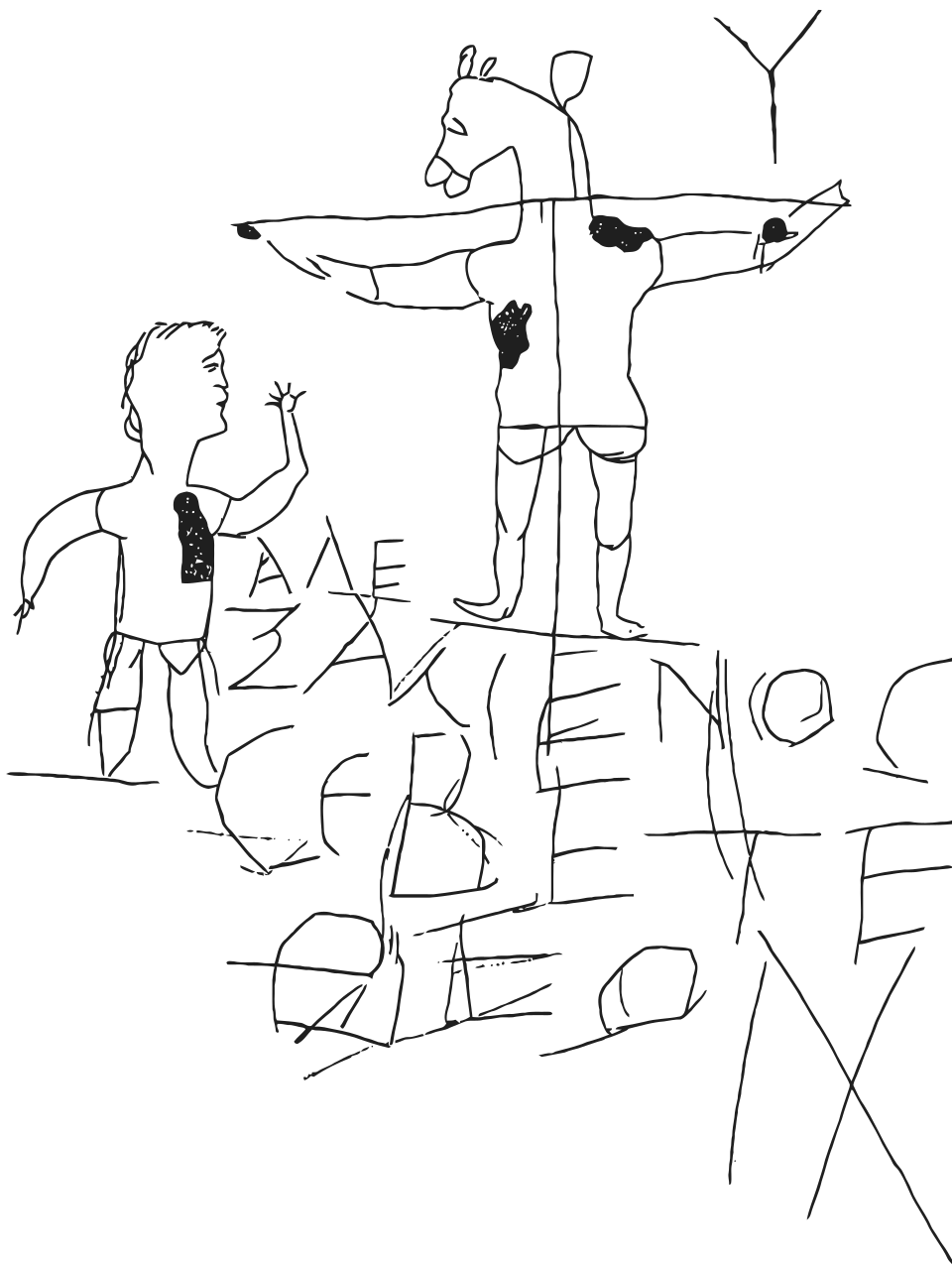
The category did not survive inspection
James Frazer's The Golden Bough gathered vegetation rituals into a broad annual pattern of divine death and rebirth. Later historians of religion separated the cases. Jonathan Z. Smith argued that the category had been built from late evidence, ambiguous rituals and different stories forced into one template. Gods who died often did not return; figures who returned often had not died.[1]
Tryggve Mettinger later judged Smith too restrictive and defended a small number of genuine dying-and-returning cases.[2] That qualification matters. It does not restore the popular list or establish literary dependence by Christianity. Even a real analogy is not yet a genealogy.
The usual names are not one story
Osiris is murdered and reassembled, then rules the dead. He does not return to embodied public life among his former companions. His continuing existence concerns kingship and the afterlife.
Adonis is lamented and associated with seasonal disappearance. The sources differ about his return, and much of the clear resurrection language is late.
Attis dies in the myth. Claims of a pre-Christian resurrection depend on disputed ritual interpretation and later evidence.
Inanna or Ishtar descends to the underworld and returns, but the narrative's divine protagonist, purpose and cultural setting differ sharply from a Jewish man executed by Rome and raised at the end of the age.
Romulus disappears and is proclaimed divine. This is a useful comparison for apotheosis and visionary confirmation, not evidence that Romulus was crucified, buried and resurrected.
Mithras is not killed in the surviving myth at all. The central image shows him killing the bull.[1]
Parallels become historically useful when stated at that level of precision. Ancient people possessed many ways to imagine life after death and divine transformation. Christianity participated in that world. A list that turns all those forms into the same plot destroys the evidence it claims to compare.
Jewish resurrection supplies the nearer grammar
Paul describes Jesus's resurrection as the "first fruits" of a coming general resurrection (1 Corinthians 15:20–23).[5] That is Jewish apocalyptic sequence: one person has undergone early what God will soon do for the dead. The argument depends on bodily resurrection and the end of the age, not an annual agricultural cycle.
This does not make Christianity culturally sealed. Greek language, Roman execution, Jewish scripture and wider Mediterranean expectations all meet in the sources. It does mean that direct borrowing must be demonstrated, not inferred from the English verb "rise."
Similar stories do not decide whether someone existed
Historical people attract legendary patterns. Alexander, Augustus and Apollonius acquired prodigies, divine ancestry and post-mortem marvels without becoming fictional. Even if every Gospel miracle had a pagan analogue, that would show how authors narrated Jesus, not whether there was a person to narrate.
The copycat argument often leaps from "this episode resembles myth" to "the protagonist was invented." Genre and existence are separate questions. Myth can gather around a person, and history can be told mythically.
Sources and further reading
- Jonathan Z. Smith, "Dying and Rising Gods", Encyclopedia of Religion, 2nd ed., vol. 4 (Macmillan, 2005), 2535–2540. ↩ ↩2
- Tryggve N. D. Mettinger, The Riddle of Resurrection: “Dying and Rising Gods” in the Ancient Near East (Almqvist & Wiksell, 2001). ↩
- Dag Øistein Endsjø, Greek Resurrection Beliefs and the Success of Christianity (Palgrave Macmillan, 2009).
- M. David Litwa, Iesus Deus: The Early Christian Depiction of Jesus as a Mediterranean God (Fortress, 2014).
- 1 Corinthians 15:12–28. ↩
Figures
- Fig. 1 · Tracing of the Alexamenos graffito (Palatine, c. 200 CE): "Alexamenos worships his god". Wikimedia Commons